Following the National Day holiday, major European ports have not seen the expected clearance but have instead fallen into a more severe combination of congestion and strikes. Core hubs including Antwerp, Rotterdam, and Hamburg have seen significantly reduced operational efficiency, while inland container and chassis shortages are further amplifying supply chain pressure. For exporters and cross-border e-commerce sellers planning to ship to Europe during the year-end peak season, the current logistics environment is becoming increasingly unpredictable.
1. Port Congestion: Delay Days Lengthen Across the Board
According to the latest market summary, congestion at major European ports has not eased in mid-October, with vessel delays and yard pressure at multiple core hubs remaining at high levels.
Port of Antwerp: Although the pilots’ strike has been suspended, yard utilization remains at 90%, with berth delays of approximately 2 to 4 days. Terminal handling capacity is constrained, and cargo turnover has slowed noticeably.
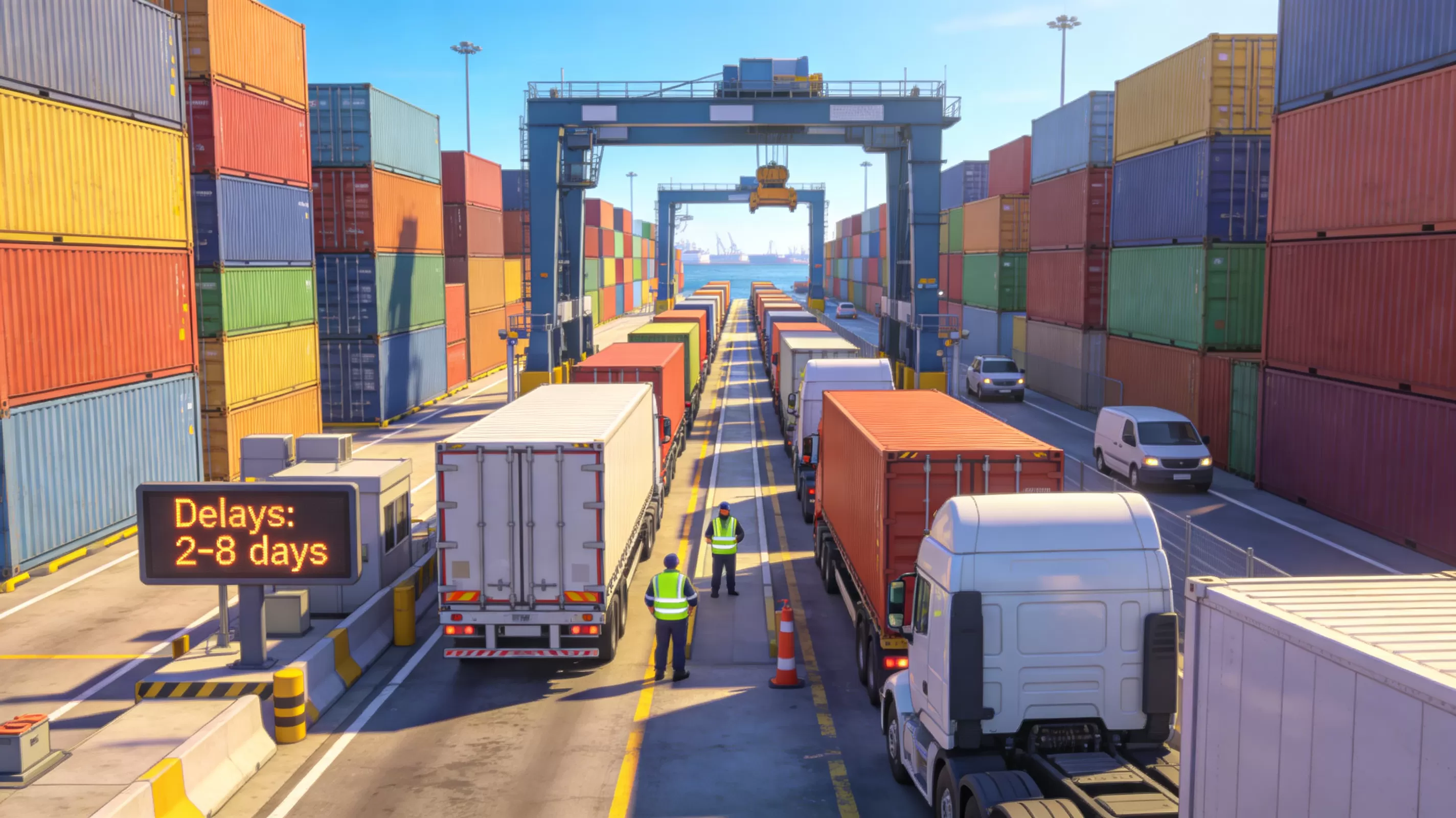
Port of Rotterdam: A strike by lashing workers has disrupted terminal operations, with delays reaching 2 to 8 days. As Europe’s largest container hub, Rotterdam’s operational fluctuations have a cascading effect on the entire Northwest European supply chain. At Rotterdam’s ECT terminal, yard occupancy was running at 93%, with barge and feeder delays of between 24 and 72 hours, while Maasvlakte II was at 80%.
Port of Hamburg: Delays are the most severe, with average vessel waiting times reaching 5 to 7 days. Port congestion combined with inland transport bottlenecks has significantly extended cargo dwell times.
Southern Mediterranean ports (Piraeus, Genoa, Valencia): Waiting times are approximately 3 to 7 days, with yard tightness and reduced operational efficiency also evident.
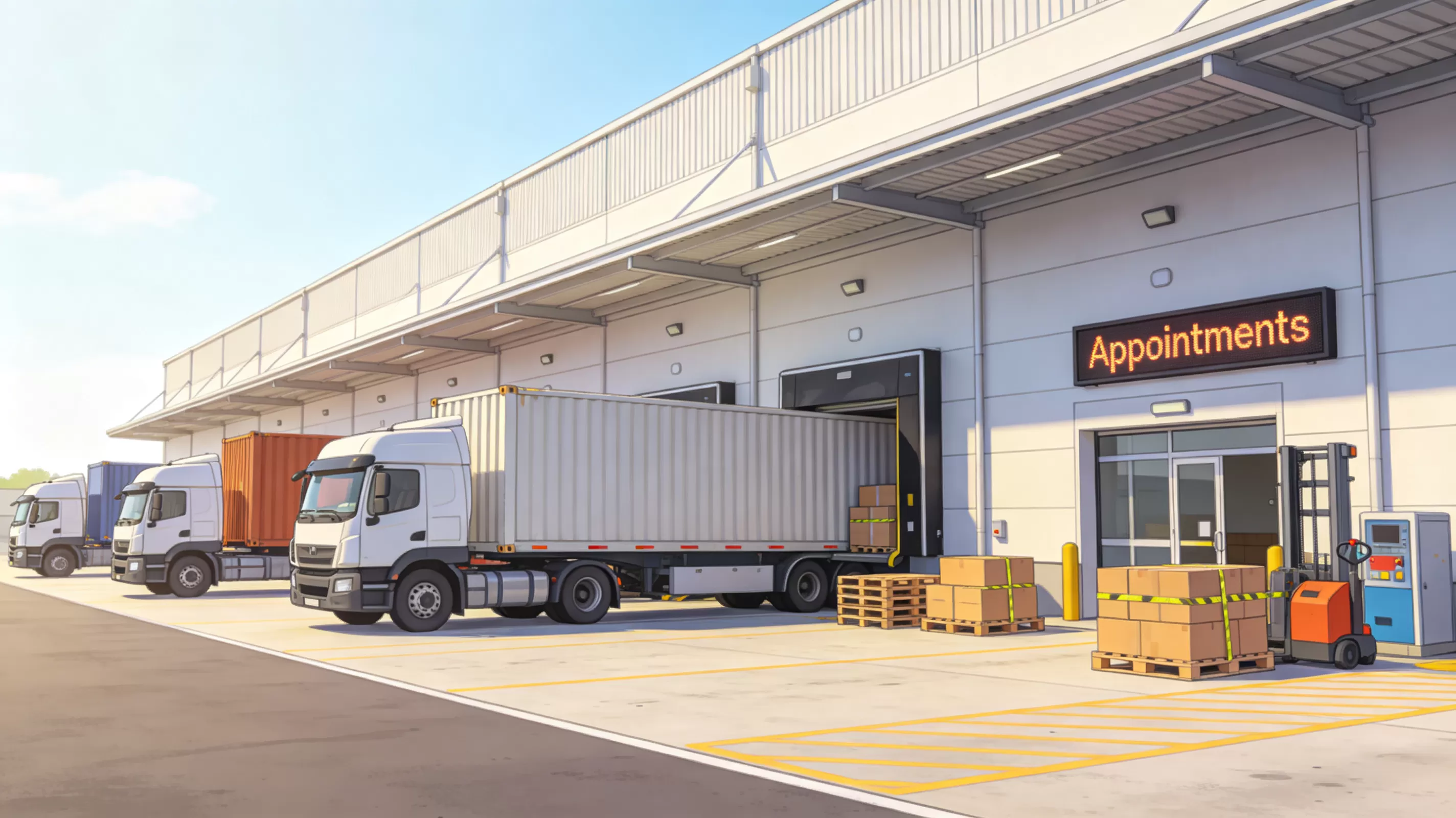
European inland: Container and chassis shortages have emerged in Austria, Slovakia, Hungary, southern and eastern Germany, and Portugal, with inland transport bottlenecks further amplifying the impact of port congestion.
Meanwhile, transatlantic westbound spot rates remain at a low of $1,800 to $1,900 per FEU, reflecting relatively weak demand on that route, but this has not alleviated logistics pressure on the European import side.
2. Suez Canal Recovery Accelerates: Dual Effects of Capacity Release and Congestion
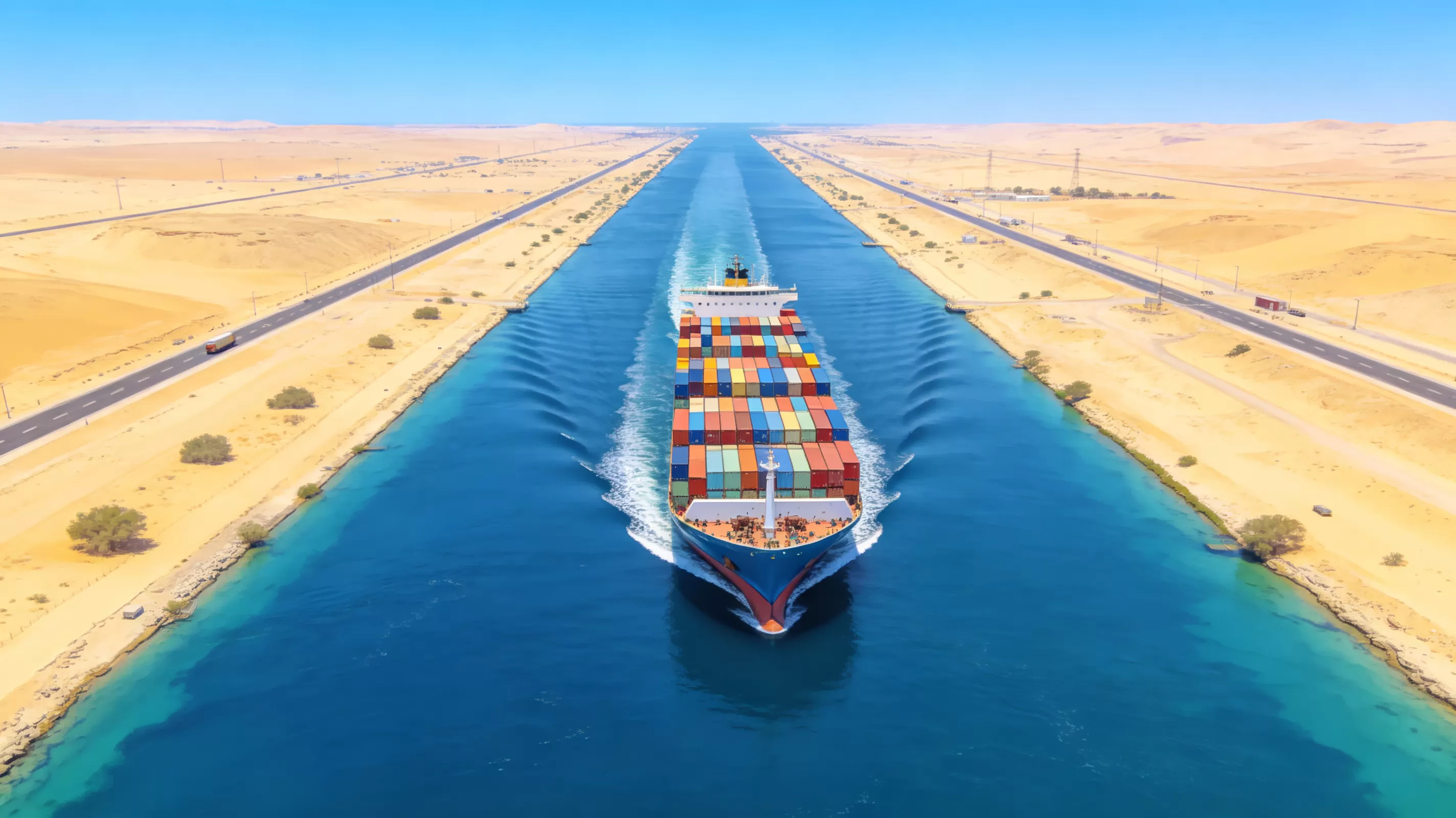
In parallel with port congestion, container ship transits through the Suez Canal are rebounding rapidly. This trend is reshaping the supply-demand dynamics on Europe routes from two directions.
Significant transit growth: In the third quarter of 2026, a total of 166 medium and large container ships transited the Suez Canal, with a combined net tonnage of 29 million tonnes, compared to only 16 ships and 2.4 million tonnes in the same period last year. Maersk’s transit volume surged from 8 ships in September 2025 to 67 ships in September 2026. From January to August 2026, container ship net tonnage through the Suez Canal reached approximately 72.1 million tonnes, up 54.2% year-on-year.
Impact on freight rates: The faster recovery of Suez Canal transits means effective capacity on Asia-Europe routes is gradually being released. The capacity released by shorter voyage times is exerting downward pressure on Europe route rates. Asia-Europe rates have declined for 13 consecutive weeks, with Shanghai to Rotterdam falling to $3,337 per FEU. Carriers are attempting to reverse the decline through FAK rate increases in the second half of October and capacity cuts (increased blank sailings), but the accelerating Suez Canal recovery is seen as the biggest threat to rates.
Impact on port congestion: The Suez Canal recovery means more vessels will arrive at European ports in concentrated waves. With port operational efficiency not yet restored, this “concentrated arrival” effect may further intensify congestion at Antwerp, Rotterdam, and Hamburg, creating a complex situation of “capacity release—rate decline—port congestion—worsening transit times.”
3. Impact on Shippers: Peak Season Shipping Risks Rise Significantly
For exporters and cross-border e-commerce sellers planning to ship to Europe during the year-end peak season, the current logistics environment means multiple overlapping risks.
Significantly increased transit time uncertainty: Port delays of 2 to 8 days, combined with inland transport bottlenecks, could extend the overall delivery cycle by 1 to 2 weeks compared to normal periods. For sellers relying on precise inventory planning, this uncertainty could lead to stockouts or inventory buildup.
Accumulating cost pressure: Although transatlantic route rates are at low levels, demurrage, detention, storage fees, and additional inland transport costs arising from port congestion are quietly eroding profit margins. Strike-related operational disruptions may also generate additional re-routing and transshipment fees.
Narrowing peak season stocking window: November to December is the traditional consumer peak season in the European market, and goods need to be warehoused by the end of October. Current port delays mean the stocking window for sellers is rapidly narrowing. If delays persist, some cargo may not be listed before the peak season.
4. Glovoyce Observation and Recommendations
The current combination of congestion and strikes at European ports is the result of structural bottlenecks overlapping with short-term disruptions. While the Suez Canal recovery is beneficial for reducing transport costs in the long term, it may intensify port congestion in the short term. For shippers, it is necessary to monitor both rate trends and transit time risks.
Three recommendations:
First, secure space and capacity in advance. Given port delays and potential blank sailing adjustments, it is recommended to complete bookings 3 to 4 weeks in advance, prioritising routes calling at less congested ports, or evaluating alternative paths via Southern Mediterranean ports (such as Piraeus and Valencia).
Second, build buffer time for inland transport. Container and chassis shortages mean that inland transport delays may still occur after port pickup. It is recommended to add an additional 3 to 5 days of buffer time for the inland leg in logistics planning.
Third, closely monitor strike developments. Although the Antwerp pilots’ strike has been suspended, a long-term agreement has not yet been reached in labour negotiations. It is recommended to maintain daily communication with logistics partners to obtain timely updates on port operational status.
The challenge of peak season is never just about freight rates, but about coordination and resilience across all supply chain links. In the current context of European port congestion and reshaping capacity dynamics, choosing a logistics partner with multi-port scheduling capabilities and real-time warning mechanisms is more important than ever. Glovoyce will continue to monitor European port developments and provide timely, reliable logistics support for your peak season shipments.
This article is based on Kuehne+Nagel port operations updates, Suez Canal Authority data, market summaries, and publicly available information as of October 14, 2026. For specific logistics solutions, please consult your Glovoyce account manager.