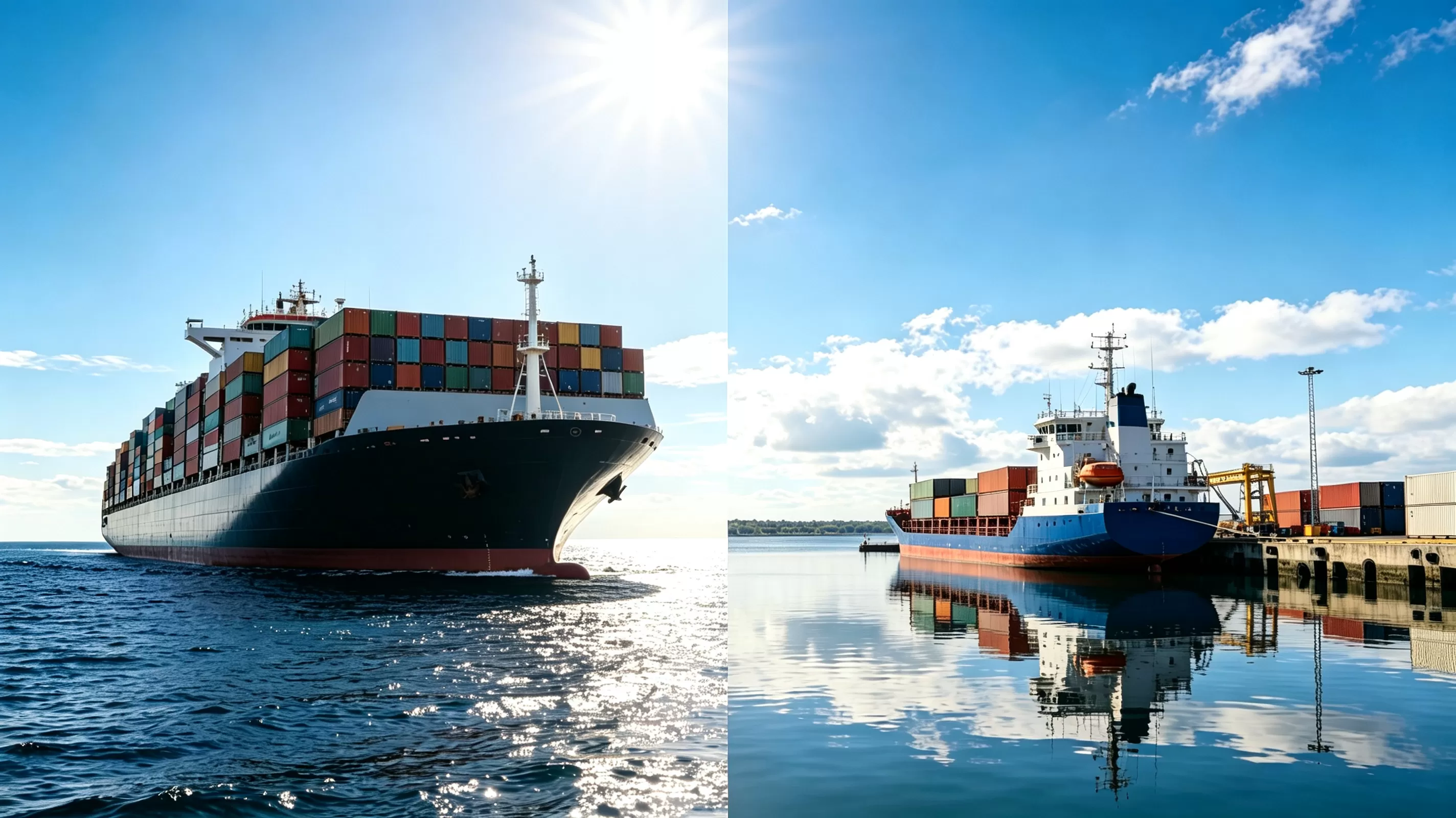
Peak season for US-bound cargo has arrived with a double constraint. Spot rates from South China to the US West Coast are climbing toward record levels, while receiving capacity at major Amazon fulfilment centres has tightened sharply. The result is not a single bottleneck but a chain reaction: cargo can move across the ocean and still stall at the warehouse gate.
1. Yantian–Long Beach Rates Near $15,000 as Peak Season Demand Bites
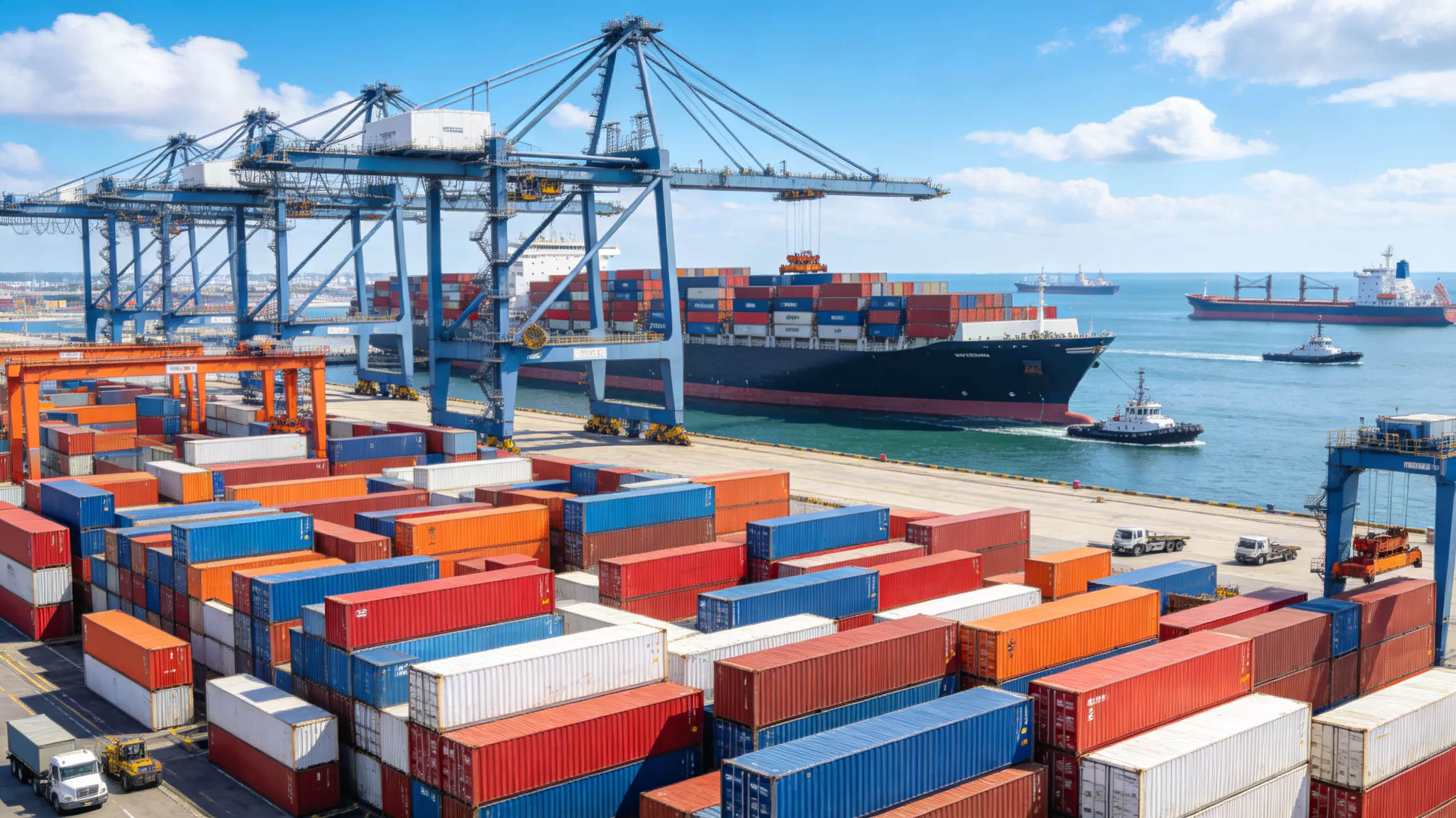
The most visible pressure point is pricing. For a 40-foot high-cube container moving on a fast vessel from Yantian to the Port of Long Beach, spot quotes have climbed from around $12,000 before China' s National Day holiday to close to **$15,000 per FEU** by mid-October. That represents roughly a doubling compared with six months earlier.
The increase is not confined to full-container bookings. Less-than-container-load (LCL) rates on the same corridor have risen from approximately RMB 11–12 per kilogram to around RMB 20 per kilogram, with shippers estimating a 10%–20% increase in overall logistics costs.
Several forces are reinforcing one another:
-
Holiday front-loading: Black Friday replenishment orders have been heavier than last year, and inventories from the previous season have largely been cleared, concentrating shipments into a narrow window.
-
Fuel and input costs: Higher bunker costs are feeding directly into carrier pricing.
-
Diverted capacity pressure: Constraints at the Panama Canal have lengthened US East Coast routings and pushed more volume toward West Coast gateways, tightening fast-vessel space on the Yantian–Long Beach corridor.
-
Booking behaviour: As rates rise, shippers rush to secure space, which in turn reinforces the upward cycle.
The market impact is not uniform. A forwarder update in late September noted that Yantian and Shenzhen services to Los Angeles/Long Beach were tight, while other Pacific Southwest lanes were closer to normal. That distinction matters: the squeeze is concentrated in the highest-demand fast-vessel services, not across every available sailing.
2. FBA Receiving: Structural Congestion, Not a Blanket Freeze
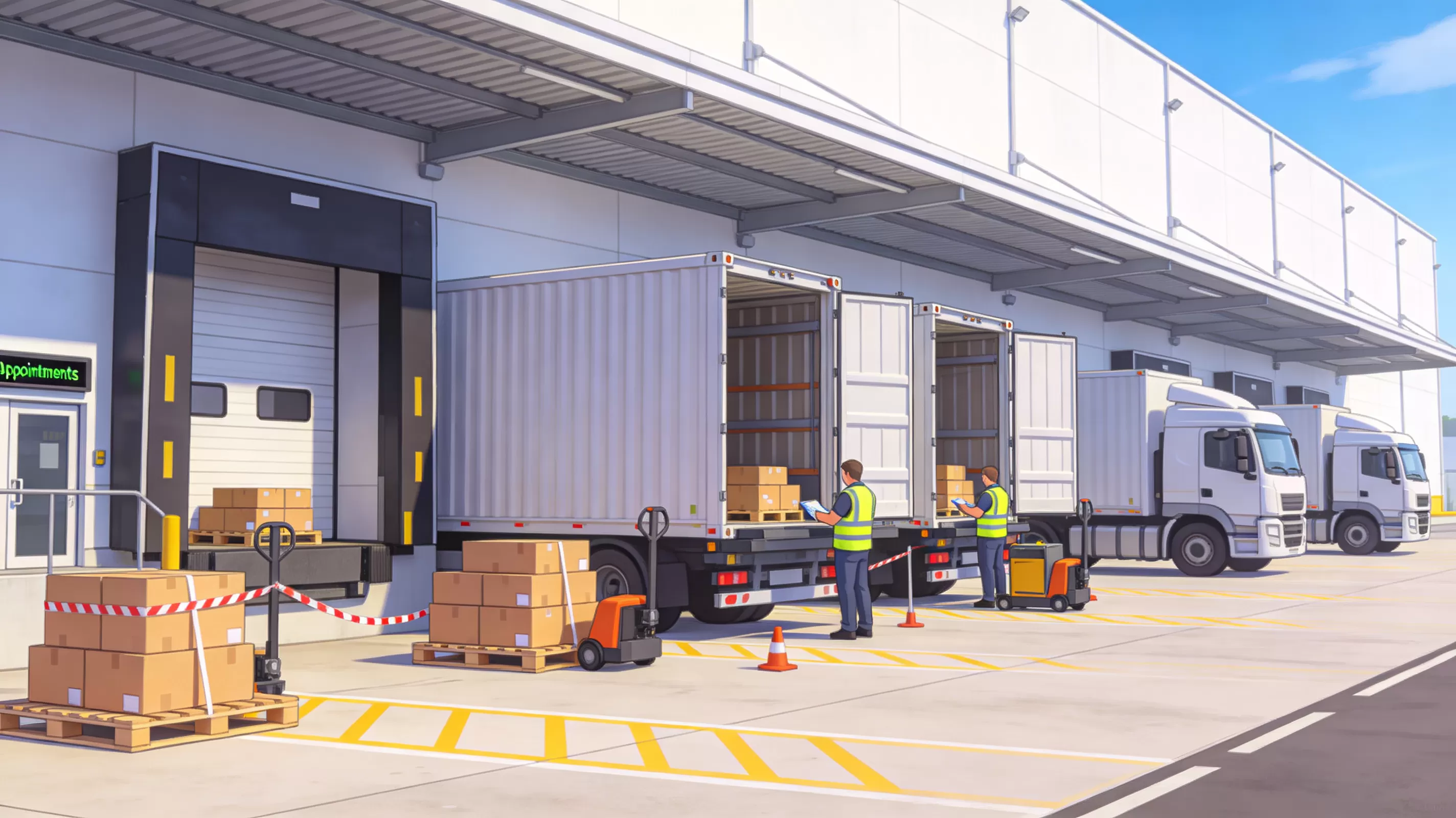
At the same time, the receiving side has become harder to predict. Reports from mid-October describe a structural and warehouse-specific congestion pattern at Amazon' s US fulfilment network, rather than a uniform shutdown across all facilities.
Examples from booking-window data illustrate the divergence:
-
LAX9: floor-load appointments reportedly pushed to 15 October, with pallet-load slots as early as 11 October, reflecting full-capacity conditions.
-
LAS1: floor-load appointments reached 20 October, while pallet-load windows were earlier, at around 10 October.
-
ONT8, CLT2, IND9 and several other core warehouses: reports point to flow restrictions and appointment queues extending beyond 25 days in some cases.
-
POC1, POC2, POC3, GEU5, IUSF, PSC2 and others: shown as pending or full in some booking references.
-
CLT2, FTW1, MDW2, ABE8, AVP1, SWF2, RDU2: some of these were described as being redirected to alternative receiving locations.
Not every facility is congested. ONT8 floor-load appointments were available from 6 October, while LGB8, SBD1, XLX7 and several others reportedly offered earlier floor-load slots. The practical implication is that a single “FBA is full” narrative is misleading; what matters is the specific warehouse, the load type (floor versus pallet), and the timing of the appointment attempt.
For sellers, the consequence is operational rather than abstract. If cargo clears customs but cannot secure a receiving slot, it does not convert into sellable inventory. In some cases, links have gone out of stock while containers waited outside the warehouse gate.
3. The Panama Canal Factor: Marginal Relief, Not a Reversal
The Panama Canal has eased some restrictions, but the water deficit has not disappeared.
From 15 October 2026, the Panama Canal Authority increased Neopanamax booking capacity from nine to ten daily slots, bringing total daily slots across Neopanamax and Panamax locks to 33 vessels. The maximum authorised draft for Neopanamax transits was also set at 14.94 metres (49.0 feet).
However, the authority explicitly stated that the Transit Reservation System remains the only way to guarantee a transit date, and that vessels without a reservation may face indefinite delays. In other words, the canal is slightly more open than it was at the tightest point, but it is still a managed, constrained gateway. That continues to shape how capacity is distributed between US East Coast and US West Coast services.
4. The 10 November Variable: Section 301 Exclusions and Potential Front-Loading
A further timing risk sits just beyond the current peak window. The 178 remaining Section 301 exclusions for Chinese-origin goods are scheduled to expire on 10 November 2026, and as of mid-October no extension had been announced. A separate trade truce extension has been discussed, but the exclusion relief and the broader truce are not the same instrument, and the exclusion deadline falls earlier than the truce’s January 2027 timeline.
For shippers whose products fall within those exclusion lines, the incentive to ship before 10 November is obvious. That could create another concentrated wave of bookings and cargo movement just as the current peak-season rush begins to ease. The risk is not simply higher rates; it is a second spike in demand for space and receiving capacity within a narrow window.
5. What Shippers Should Do Now
The combination of elevated rates and uneven warehouse receiving capacity calls for a more deliberate operating plan.
Secure space early, but verify the service, not just the price. Fast-vessel Yantian–Long Beach services are the tightest part of the market. Booking three to four weeks ahead and confirming vessel-specific space is more useful than relying on a headline rate that may not include peak-season surcharges and equipment charges.
Treat FBA receiving as a separate planning problem. Before committing inventory to a specific fulfilment centre, check current appointment availability by warehouse and load type. Where a core facility is restricted, evaluate whether a different warehouse, a redirected receiving location, or a temporary third-party warehouse can keep inventory moving.
Build inland and receiving buffer into delivery promises. Port-to-door transit is no longer the only uncertainty. Appointment delays of days or weeks must be reflected in customer-facing lead times and safety stock assumptions.
Model the 10 November tariff deadline separately. If your product lines sit within the Section 301 exclusion list, plan for a possible front-loading surge. If they do not, the more relevant task is to ensure your current bookings are not crowded out by shippers racing the deadline.
Diversify the receiving footprint where feasible. The current congestion is warehouse-specific. A plan that includes a third-party warehouse as a buffer can convert an indefinite FBA queue into a controlled, temporary holding cost.
Glovoyce Observation
The defining feature of this peak season is not that rates are high or that warehouses are congested. It is that the two problems interact. Ocean space is tight on the fastest services, and receiving capacity is uneven across the FBA network. A shipper who solves only the ocean leg may still find cargo stranded at the warehouse gate; a shipper who solves only the warehouse booking may still miss the sailing that would have arrived in time.
That interaction rewards a different kind of planning: lane-specific capacity confirmation, warehouse-level appointment visibility, and a credible fallback for inventory that cannot enter FBA on schedule. Glovoyce' s peak-season support is built around those three points, combining carrier space management with receiving-status monitoring and third-party warehouse options where the FBA queue becomes the binding constraint.
This article is based on market reports, carrier and forwarder updates, and publicly available data as of 21 October 2026. Rates and appointment availability change frequently; please confirm current conditions with your Glovoyce account manager before making commitments.