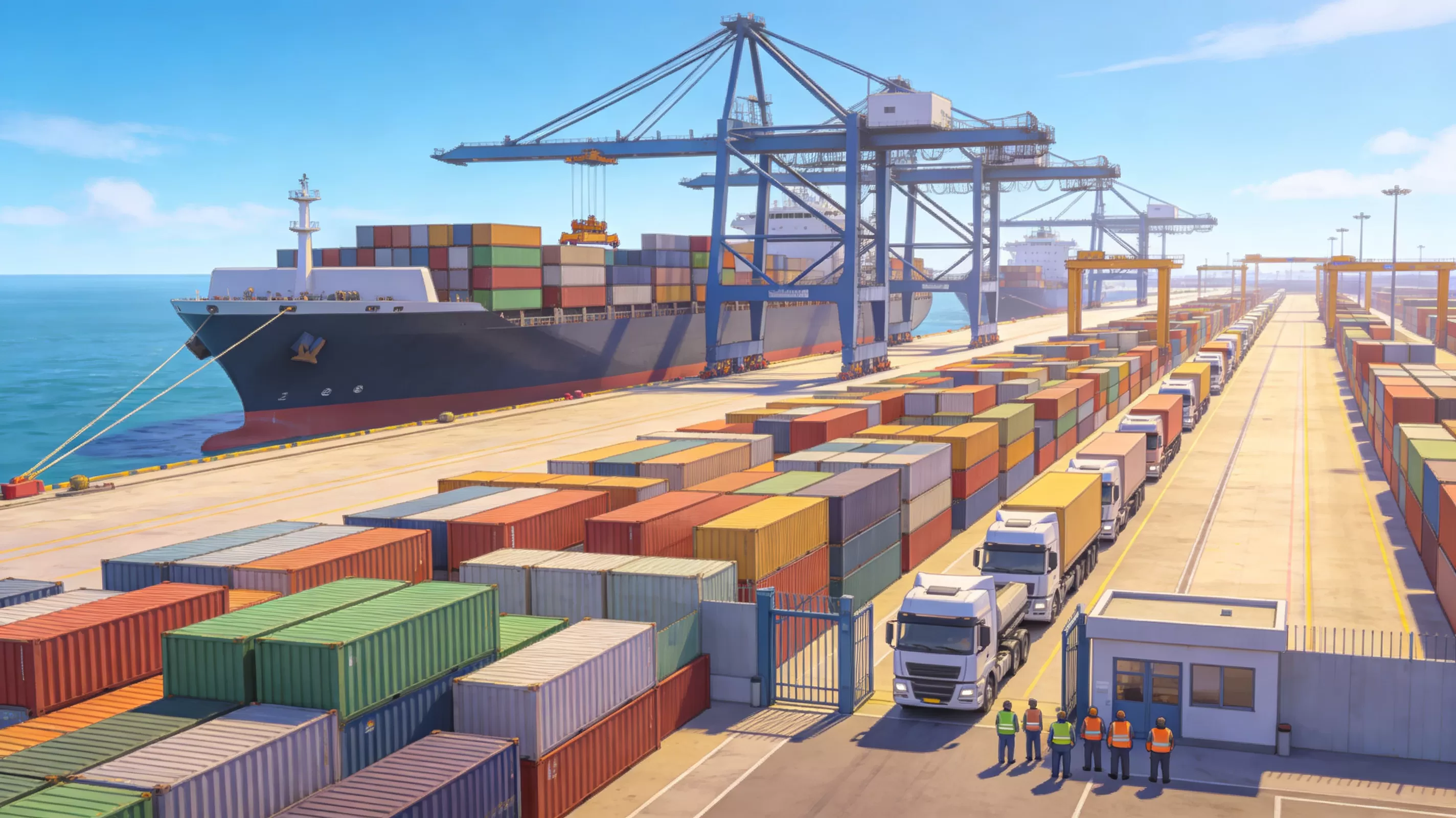
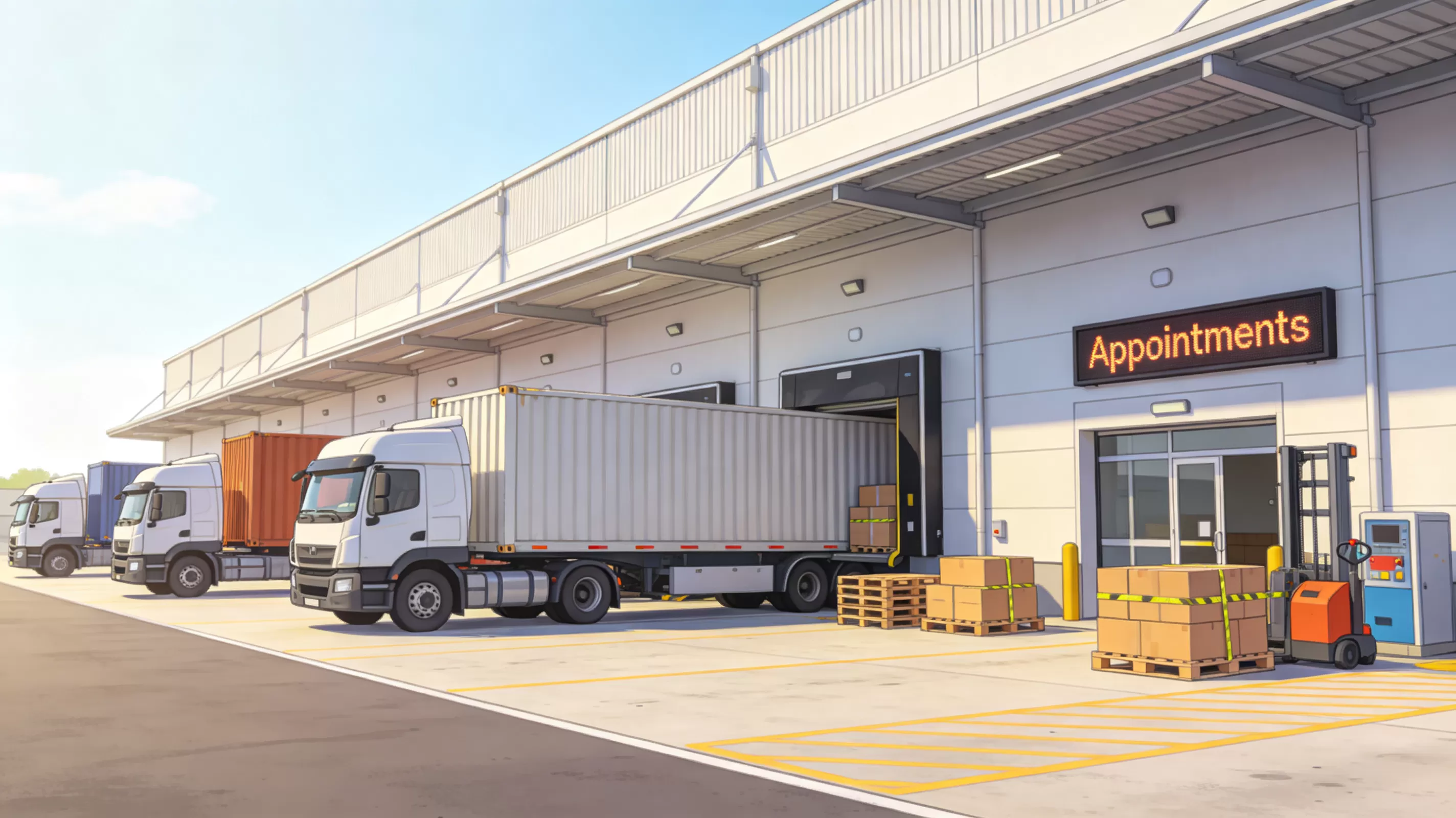
For exporters in northern Vietnam, the bottleneck has rarely been the factory floor. It has been the airport. Air freight capacity out of Hanoi and Ho Chi Minh City has tightened through 2026, rates have climbed, and peak-season space is increasingly difficult to lock in. A pilot project completed in September—and formally elevated to a standing corridor at Hong Kong's flagship logistics conference this week—offers a structural alternative: move the cargo by road through mainland China, clear it under a shared electronic lock, and connect to Hong Kong International Airport's global network instead of competing for scarce direct uplift from Vietnam.
1. What Was Announced—and What Was Already Working
At the 16th Asian Logistics, Maritime and Aviation Conference (ALMAC) in Hong Kong on 17 November, the Hong Kong government announced the establishment of the "Vietnam–Guangxi–Hong Kong Land-Air Super Logistics Corridor". The corridor builds on SuperLink China Direct, the scheduled, customs-bonded road feeder service operated by Hacis, the value-added logistics arm of Hong Kong Air Cargo Terminals Limited (Hactl).
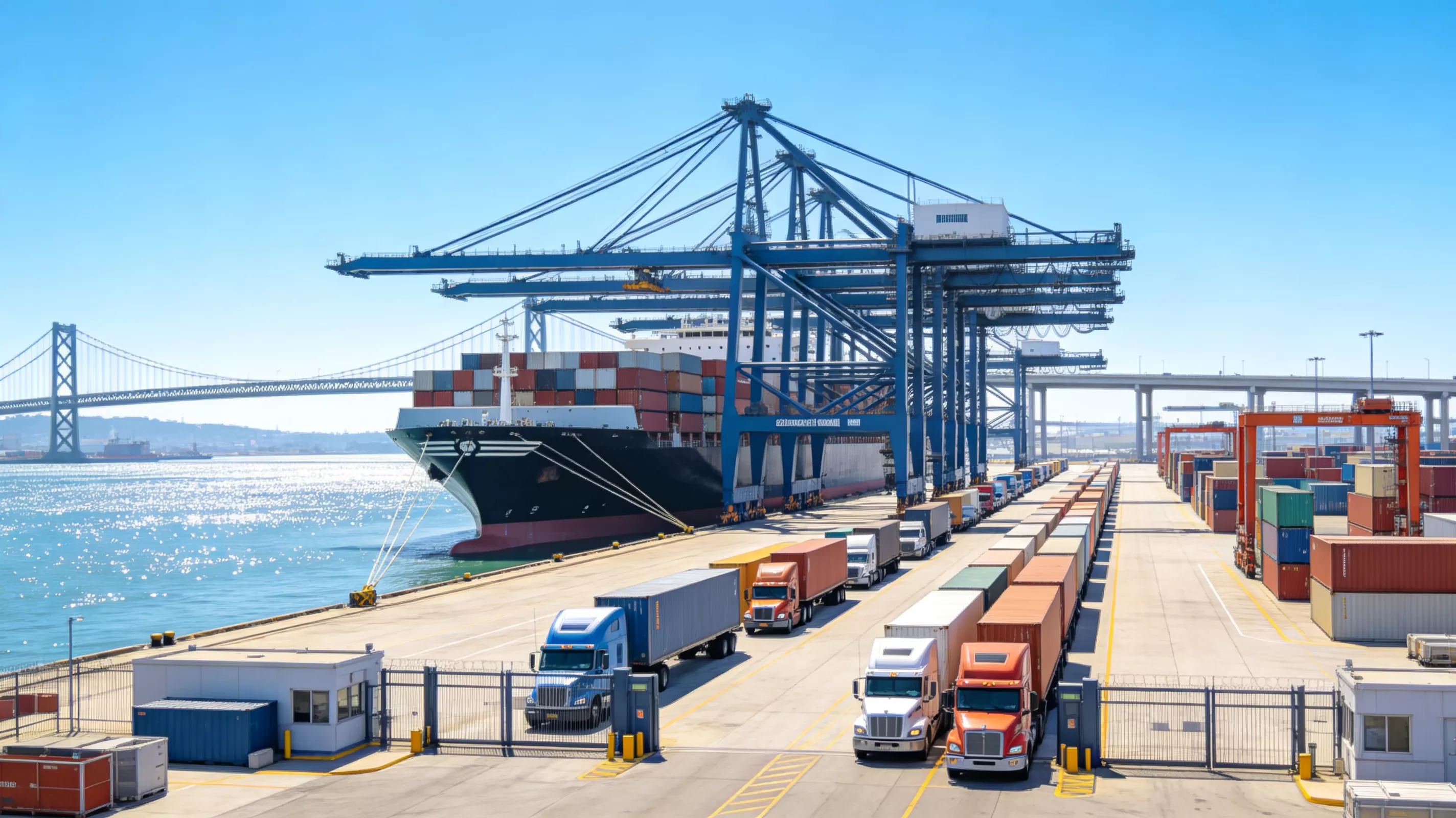
The operational model is straightforward: cargo moves by truck from Vietnam into mainland China, transits through the Wuzhou Comprehensive Bonded Zone in Guangxi, and is then transferred to a customs-bonded truck equipped with a Single E-lock for the remainder of the journey into Hong Kong. The Single E-lock Scheme allows customs authorities in mainland China and Hong Kong to monitor the same consignment using the same electronic lock and to reference each other's inspection results, reducing duplicate checks at the Hong Kong boundary.
The corridor was not created in November. Hacis announced the extension of SuperLink China Direct to Vietnam on 22 September 2026, following a successful trial shipment of coffee beans from Hanoi. What changed this week was the formal designation and public launch of the corridor as a standing product within Hong Kong's broader logistics strategy, alongside a second batch of partner port agreements.
The approximately 30-hour figure that has circulated in coverage refers specifically to the road leg from the Vietnam–China border to Hong Kong International Airport, not the complete door-to-door transit time from Hanoi, which also includes the initial Vietnam road segment, border clearance, and the transfer at Wuzhou. Hacis has confirmed the border-to-HKIA journey took about 30.5 hours during the pilot.
2. Why This Matters: The Capacity Squeeze It Is Designed to Address
The corridor is not an abstract infrastructure project. It responds to a measurable constraint in Vietnam's air cargo market.
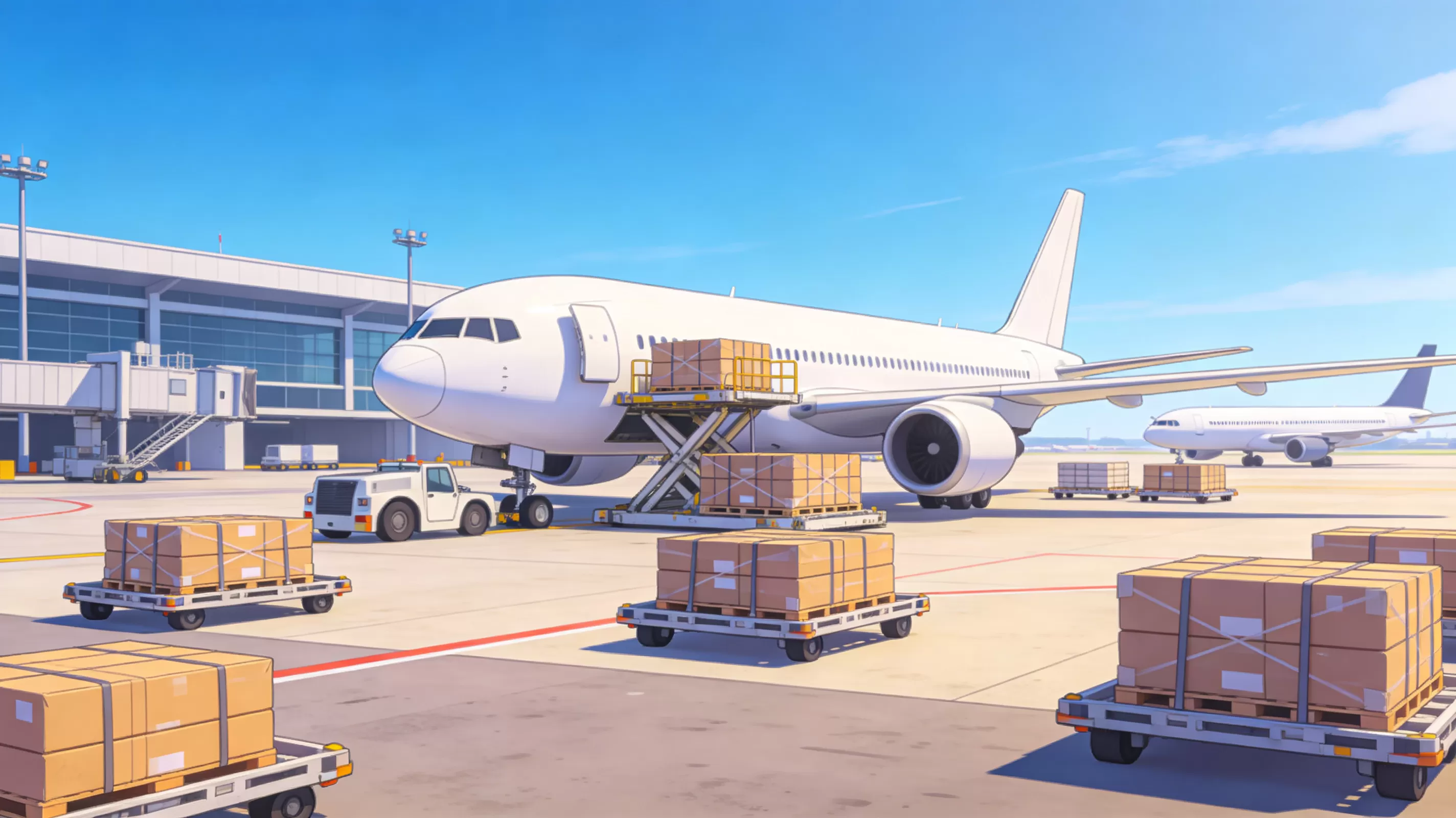
Vietnam's airports handled 920,900 tonnes of cargo in the first half of 2026 alone, with Noi Bai Airport in Hanoi accounting for nearly 60% of that total. At the same time, air freight capacity out of Hanoi and Ho Chi Minh City has tightened significantly, with rates climbing and space harder to secure, particularly as peak season approaches.
The demand mix is also shifting. Vietnam's AI-related air cargo exports jumped 110% year-on-year in the first four months of 2026, adding a high-value, time-sensitive segment that competes for the same limited direct uplift.
The corridor's value proposition is therefore not that it is cheaper than direct air freight—Hacis has not disclosed an indicative price or quantified the claimed savings—but that it decouples access to Hong Kong's flight network from Vietnam's own outbound capacity. Shippers who cannot secure direct space from Hanoi, or who face peak-season rates they are unwilling to absorb, gain a routing option that uses HKIA's global network without depending entirely on Vietnamese export uplift.
The target traffic reflects that logic: electronics, industrial products, garments, agricultural commodities, and high-value, time-sensitive shipments. The service is being developed with Vietnamese logistics company U&I Logistics and is intended to carry freight in both directions—exports from Vietnam to HKIA, and imports from HKIA through mainland China into Vietnam.
3. The Operational Reality: A Genuine Option, With Real Complexity
The corridor is a working product, not a fully mature scheduled service. Several operational details matter for shippers evaluating whether to use it.
The Single E-lock does not cover the entire journey. Standard customs procedures still apply when cargo enters China from Vietnam. The Single E-lock arrangement begins at Wuzhou, not at the Vietnam–China border. Transit planning must therefore account for border clearance time before the bonded leg begins.
A regular scheduled service has not yet been launched. Following the September pilot, Hacis is working with logistics partners and customers to develop regular services "based on market demand". Schedules, frequency, and expected cargo volumes have not been confirmed.
The corridor is one component of a broader Hong Kong logistics repositioning. On the same day, Hong Kong announced its second batch of partner ports: Piraeus (Greece), Qingdao, and Yangpu (Hainan), extending its partner port network to Europe, Shandong, and Hainan. Piraeus is also designated as Hong Kong's first formal green shipping corridor partner in Europe. The land-air corridor and the port partnerships are part of the same strategic direction: positioning Hong Kong as a multimodal orchestrator rather than solely a gateway for Southern China.
4. What Shippers Should Assess
For supply chain teams with production in northern Vietnam and distribution in the US or Europe, the corridor merits a structured evaluation rather than an immediate switch.
Test the routing on a non-critical consignment first. Because schedules are not yet fixed and the border clearance step sits outside the Single E-lock coverage, a live pilot with a representative SKU will reveal actual door-to-door transit time and handling quality more reliably than published estimates.
Model the full cost, not the headline leg. The relevant comparison is not "road plus air" versus "direct air." It is the total landed cost and delivery window of the corridor versus direct uplift from Hanoi, including border clearance time, the Wuzhou transfer, HKIA handling, and any difference in onward flight availability from Hong Kong versus Vietnam.
Map the target cargo categories against the corridor's design. The service is positioned for electronics, industrial products, garments, agricultural commodities, and high-value time-sensitive freight. Shippers in those categories—particularly those facing peak-season capacity constraints out of Hanoi—have the clearest use case.
Treat it as a capacity diversification tool, not a replacement. The corridor does not eliminate reliance on Vietnamese air capacity; it adds an alternative when direct space is unavailable or uneconomical. For shippers with time-definite commitments, the value lies in having a second routing path that connects to a different airline network.
Glovoyce Observation
The Vietnam–Guangxi–Hong Kong corridor is a small pilot with a large strategic signal. It demonstrates that the constraint on Vietnamese exports is increasingly a routing problem, not a production problem—and that the solution may involve moving cargo across a land border to reach a different aviation hub rather than waiting for direct capacity to expand.
For shippers, the practical takeaway is not that this specific corridor will replace direct air freight from Vietnam. It is that the set of viable routings out of Southeast Asia is widening, and the logistics providers who can structure and execute those routings—with visibility across border clearance, bonded transfer, and multi-hub flight connections—will be more valuable than those who simply quote a rate from Hanoi to destination.
Glovoyce is monitoring the corridor's progression from pilot to scheduled service and will update clients as frequency, pricing, and transit-time data become available. If you have production in northern Vietnam and are evaluating routing alternatives for peak season or 2027 contract planning, contact your account manager to discuss whether this corridor fits your lane profile.