July 1 marks a watershed moment for global logistics. The EU's €150 duty exemption officially ends, container freight rates have skyrocketed 240% since March, and new air and rail routes are reshaping supply chain options. This roundup covers the key developments shaping the logistics landscape this month.
1. EU €150 Duty Exemption Ends: A New Era for Cross-Border E-Commerce
What happened
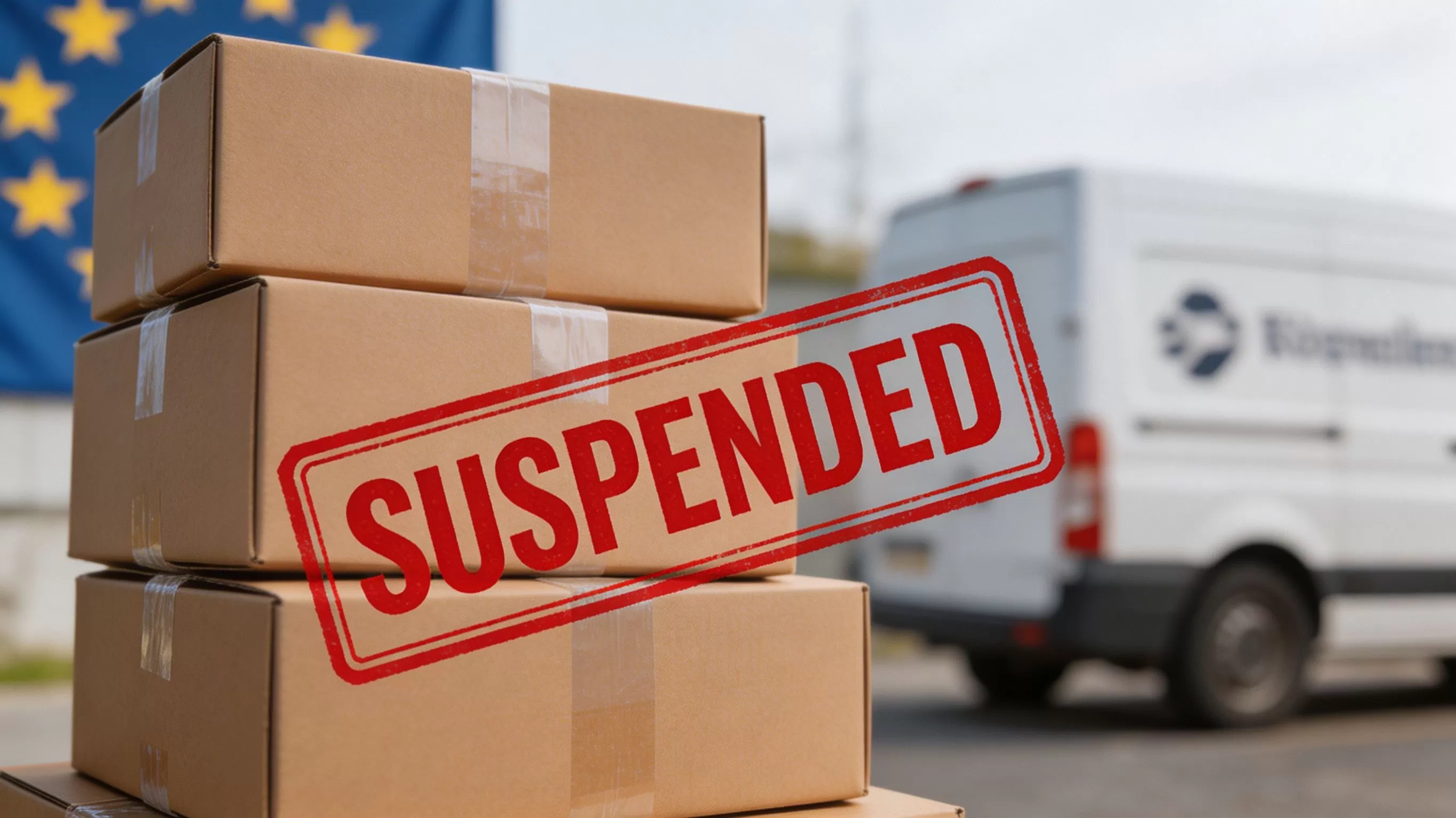
Effective July 1, 2026, the European Union has formally abolished the €150 customs duty exemption for low-value imports from non-EU countries. Under the new rules:
-
All non-EU direct-to-consumer small parcels, postal parcels, and cross-border self-fulfilled shipments now face a €3 fixed customs duty per six-digit HS code category
-
A single package containing three different product categories will incur €9 in duties; multiple items of the same category pay only €3
-
The €3 flat duty is a transitional measure lasting until June 2028, after which the exemption will be completely eliminated
Additional cost coming in November: The EU will impose an additional €2 per-parcel customs clearance administrative fee starting November 2026.
Platform liability shift: E-commerce platforms are now legally designated as the importer of record and bear joint liability for compliance.
Impact
This policy directly targets the business model of platforms like Shein, Temu, and AliExpress, which have relied on duty-free thresholds to offer ultra-low prices. EU low-value parcel volumes surged from 1.4 billion in 2022 to 4.6 billion in 2024, with 91% originating from China. Multiple major cross-border logistics providers, including FedEx and Yanwen Logistics, have issued urgent alerts confirming the new rules.
Glovoyce advice
Sellers should immediately audit their EU parcel cost structures, categorize SKUs accurately to minimize duty exposure, and consider accelerating overseas warehouse adoption to bypass per-parcel duties entirely.
2. Container Freight Rates: Up 240% Since March – and Still Climbing
What happened
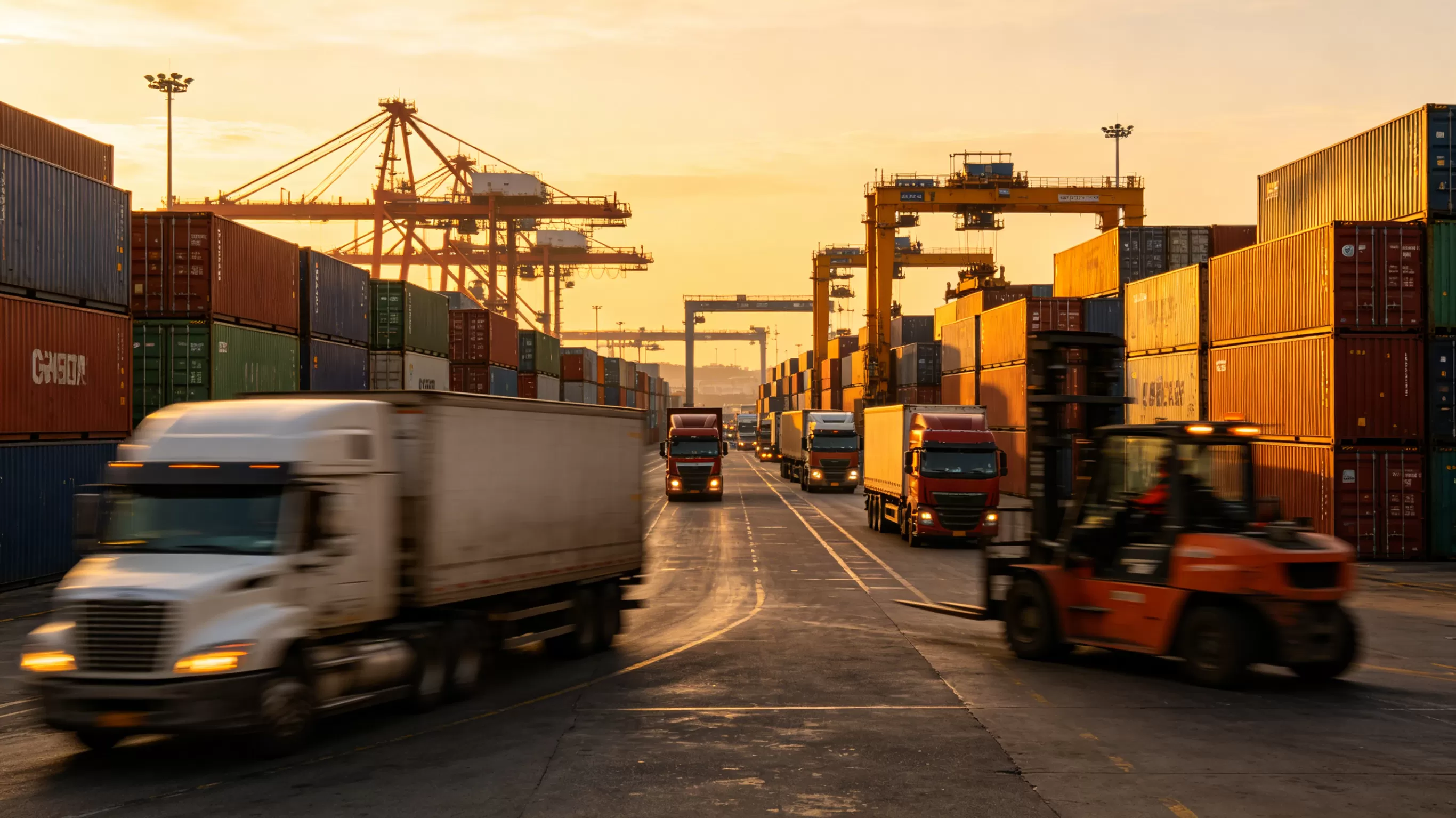
The container shipping market has seen extraordinary rate increases. According to FreightWaves data, the average daily spot rate from Asia to the US West Coast has surged from $1,800 in March to over $6,100 today – a 239% increase.
What's driving this?
Not demand. Import volumes remain below last year's levels. The primary driver is carriers' structural pricing power. The top 10 container shipping companies control approximately 90% of global capacity – a concentration exceeding OPEC's control over oil supply. Through alliances, carriers coordinate schedules and actively reduce capacity when spot rates weaken, pushing prices higher. Fuel costs have actually fallen (oil down from $115 to $70/barrel), but rates have not followed.
Maersk raises full-year forecast
Maersk has upgraded its full-year EBITDA forecast by at least **$1 billion**, now projecting $8–10 billion, citing strong Far East export demand ahead of new US tariffs. The Trump administration is planning new tariffs of at least 10% on dozens of countries as early as late July, driving retailers to accelerate front-loading. The Shanghai Container Freight Index (SCFI) is currently only about 13% below its summer 2024 peak.
New Peak Season Surcharges (PSS) effective July
-
CMA CGM (effective July 10): Asia-US/Canada PSS nearly doubles from April levels – 20ft: $3,600, 40ft: $4,000
-
MSC (effective July 1): Flat $500 PSS per container from Far East to India/Pakistan
-
Maersk (effective July 7): Revised PSS from Far East Asia to North Europe and Mediterranean
Glovoyce advice
Maintain flexible procurement – avoid locking in long-term contracts at current highs. Monitor carrier pricing behavior closely, as the market may be approaching an inflection point.
3. US CPSC eFiling Mandate Takes Effect July 8
What happened
Effective July 8, 2026, the US Consumer Product Safety Commission (CPSC) eFiling mandate becomes compulsory. All regulated consumer products exported to the US must complete electronic filing in the Customs ACE system before arrival.
Critical warning: No filing = cargo detention. Post-arrival supplementary filing is invalid.
Glovoyce advice
Exporters of consumer goods to the US should immediately verify their CPSC eFiling compliance status. Work with your logistics provider to ensure all required product data is filed correctly before shipment departure.
4. New Air Freight Routes Expand Global Connectivity
Guangzhou–Bangkok
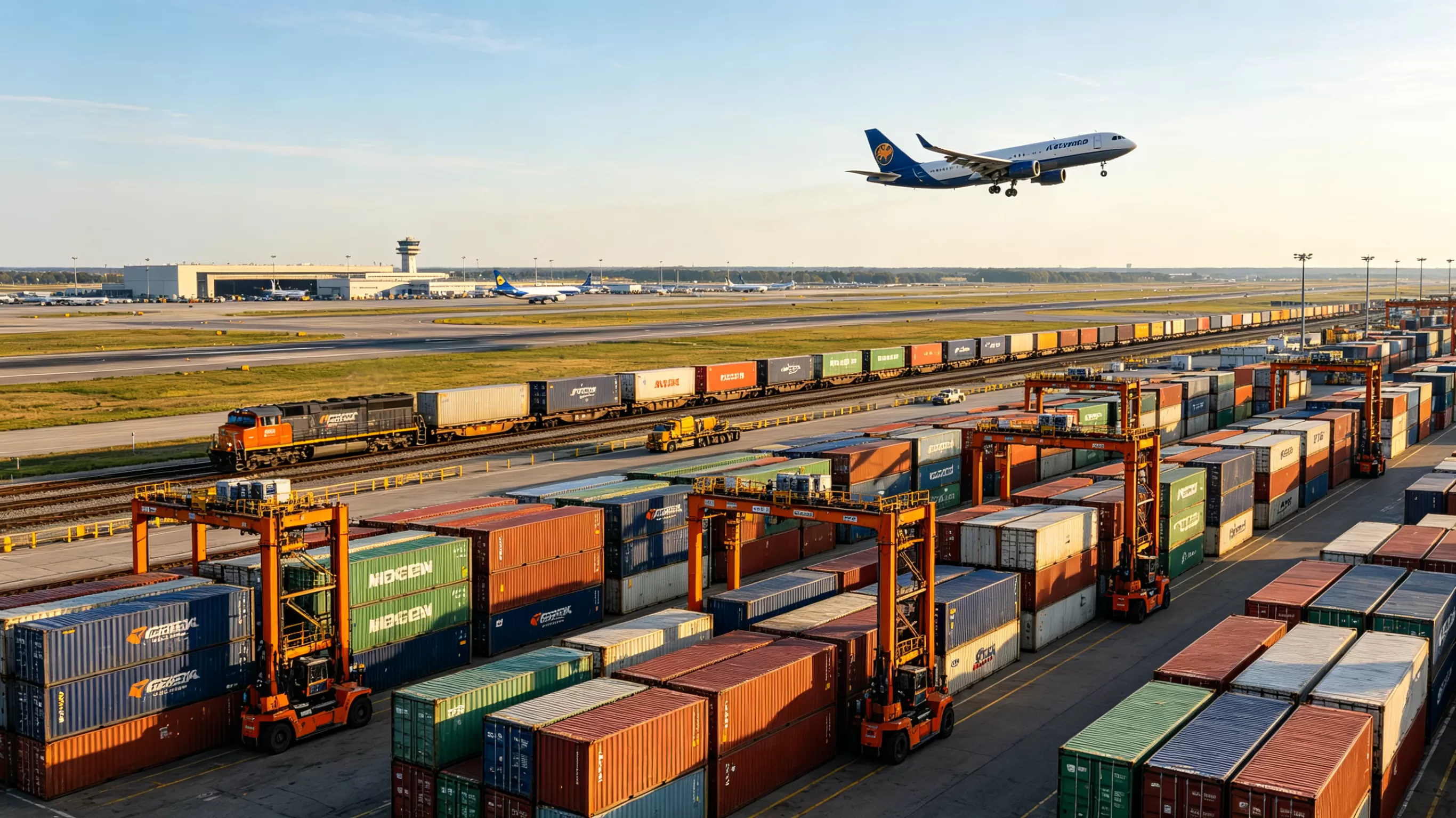
Guangdong Post launched a new "Guangzhou–Bangkok" international cargo route on June 30, operated by B738 freighters with approximately 18 tons capacity per flight. Fixed schedule: Tuesday, Thursday, Saturday – three weekly flights. Future routes to Ho Chi Minh City and Kuala Lumpur are planned, building a Southeast Asian air cargo network.
Qingdao–Zhengzhou
The Qingdao–Zhengzhou all-cargo freighter route resumed operations, operated by Central Airlines with Boeing 737-800F aircraft, offering 40 tons of capacity per week for fresh produce, electronic components, and express parcels.
Glovoyce advice
These new connections expand logistics options for Southeast Asian and domestic trade – particularly for perishables, high-value goods, and e-commerce parcels.
5. China-Europe Railway: Beijing Launches First Scheduled Service
What happened
On July 1, Beijing launched its first scheduled (timetabled) China-Europe Railway Express from Fangshan, departing via the Erenhot port bound for Moscow.
Key advantages of "timetabled" service: Fixed schedule, fixed route, fixed train numbers – providing greater transport efficiency and stable departure reliability. 55 containers of furniture, auto parts, and daily goods on the maiden voyage, with transit time of approximately 15 days. Service will operate at weekly frequency.
Dual-line pattern established: Following the timetabled Central Asia service launched in April, Beijing now has both China-Europe and China-Central Asia timetabled services.
Duisport CEO confirms rail's maturity: The China-Europe Railway Express has "evolved from irregular departures into a scheduled service," with several trains passing through Duisburg daily. Annual train journeys have grown nearly twelvefold – from 1,702 in 2016 to 20,022 in 2025.
Glovoyce advice
For time-sensitive cargo to Europe, rail offers a viable alternative to ocean (40-45 days via Cape of Good Hope) and a cost-effective option versus air. The new timetabled Beijing service provides stable, predictable transit for manufacturers in the Beijing-Tianjin-Hebei region.
6. Cathay Cargo Launches Integrated Multimodal Cold Chain Network
What happened
Cathay Cargo announced on June 30 the official launch of an integrated "sea-air-land" multimodal fresh goods network.
Three service modes now fully operational:
-
Air-to-air: Up to three daily passenger belly flights between Hong Kong and Guangzhou
-
Air-to-road: Cross-border refrigerated trucks via the Hong Kong-Zhuhai-Macao Bridge to Zhuhai, Macau, and Guangzhou
-
Air-to-sea (industry-first): Barge cold chain service from Hong Kong Airport directly to Dongguan
Macau express: Fresh goods can now reach Macau from Hong Kong Airport in just 4 hours, including all customs clearance and inspection processes.
Glovoyce advice
These new multimodal options are particularly valuable for perishable goods, fresh produce, and time-sensitive cargo requiring temperature-controlled transport.
Glovoyce July Action Plan
| Priority |
Action |
Timeline |
| 1 |
Audit EU parcel cost structures under new €3 duty regime |
This week |
| 2 |
Verify CPSC eFiling compliance for US-bound consumer goods |
Before July 8 |
| 3 |
Maintain flexible ocean procurement – avoid locking long-term at peak rates |
Ongoing |
| 4 |
Evaluate new air and rail options (Guangzhou-Bangkok, Beijing-Europe rail, Cathay multimodal) |
This month |
| 5 |
Monitor carrier PSS announcements and factor into Q3 budgets |
Ongoing |