The container shipping market has entered a "perfect storm" —US-bound vessels are fully booked through June, freight rates have doubled in just two months, and geopolitical tensions continue to squeeze capacity. This roundup covers the latest developments and provides actionable advice for shippers navigating the crunch.
1. US-China Routes Fully Booked: "Fighting for Space, Fighting for Containers"
What happened
As of May, the US-China shipping lane has become fully booked-. Freight forwarders report that space across East and South China is extremely tight, with frequent cargo rollovers-. June capacity is essentially sold out, marking a return to peak-season tightness.
Rate surge
At the end of April, a 40ft container from Ningbo to the US West Coast cost around $2,900; today it is approaching **$6,300. East Coast rates have climbed from $3,900 to nearly **$7,500. The Shanghai Freight Index has risen for six consecutive weeks-, with cumulative increases exceeding 70% year-to-date.
Drivers
-
US inventory levels are low, driving replenishment demand.
-
Over 300,000 TEU of capacity remains trapped in the Persian Gulf due to Middle East tensions.
-
Red Sea diversions continue, reducing vessel turnover and effective capacity.
Glovoyce advice
Lock in space at least 2–3 weeks in advance. Consider splitting shipments across multiple carriers and ports. For non-urgent cargo, evaluate alternative modes (rail, air-sea intermodal).
2. New EU Tariff Rules Take Effect July 1: E-Commerce Model Shift Accelerates
What happened
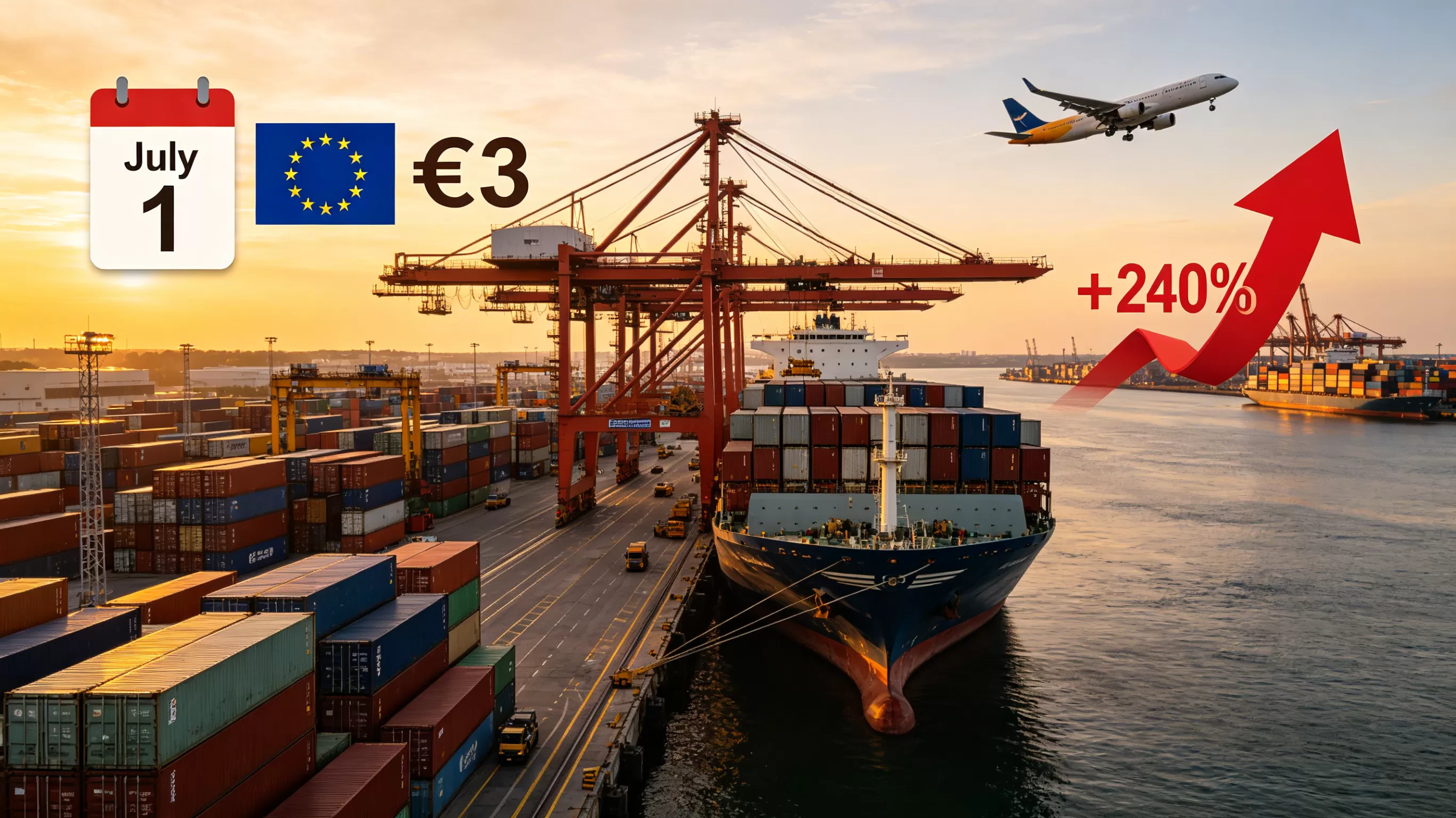
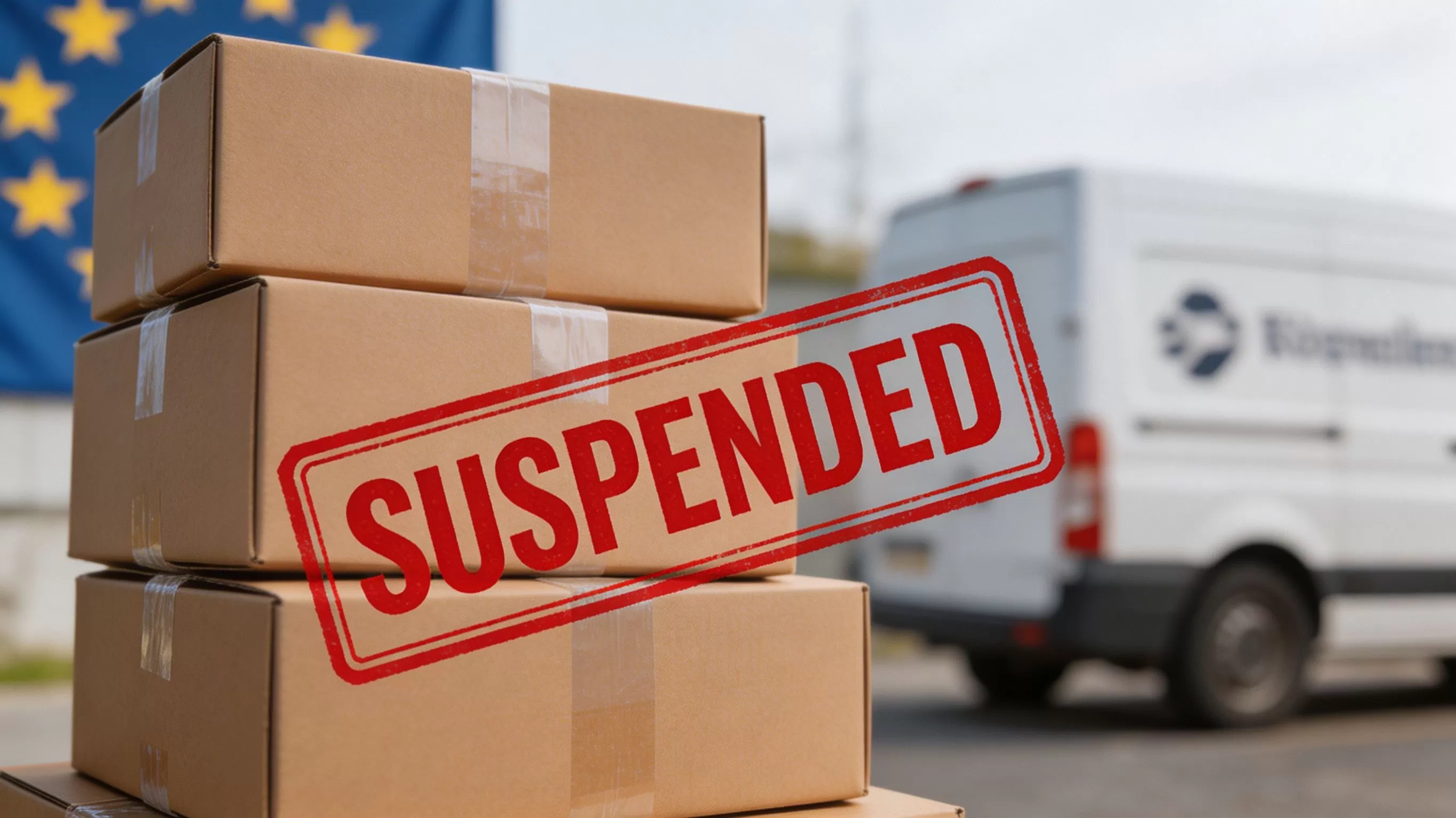
Starting July 1, 2026, the EU will eliminate the tariff exemption for cross-border parcels valued under €150-. This policy change is already reshaping air freight structures to the European market-.
Impact
Direct-to-consumer parcel shipping costs will rise significantly. More sellers are shifting toward overseas warehousing models ahead of the deadline.
Glovoyce advice
Audit your EU-bound parcel volume and cost structure. Consider accelerating overseas warehouse adoption and reviewing DDP (Delivered Duty Paid) service options.
3. Multi-Modal Transport Gets a Policy Boost: 8 Ministries Launch Action Plan
What happened
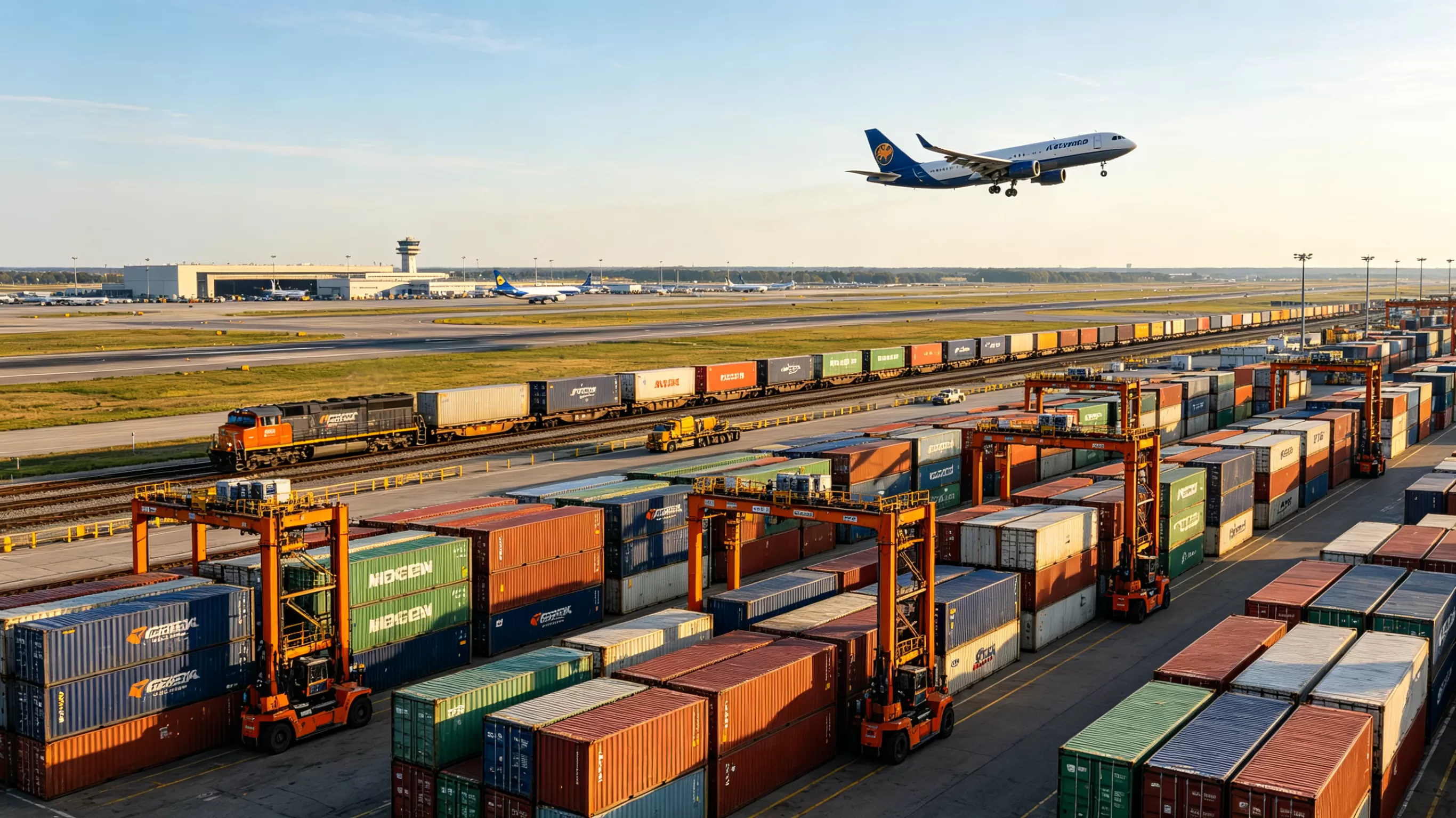
On June 17, eight ministries jointly released the "Action Plan for Multi-Modal Transport (2026–2030)", aiming to upgrade 1,000 major freight hubs over five years and achieve over 90% one‑hour transshipment rates.
Key targets
Glovoyce advice
Monitor developments in your key ports and inland hubs. The push for unified documentation and digital platforms may simplify future cross-modal shipping.
4. Strait of Hormuz: Recovery Will Take Weeks, Say Shipping Executives
What happened
Despite the US-Iran agreement to reopen the Strait, shipping executives caution that normal traffic will take weeks to resume. Mitsui OSK Lines' president noted that most shipowners will wait to confirm the agreement is "implemented on the ground" before transiting. The market views this as a "technical reopening" rather than a full "commercial reopening".
Impact
-
Fuel costs remain elevated.
-
Over 300,000 TEU of capacity remains tied up in the Gulf.
-
Supply chain normalization will take weeks or even months.
Glovoyce advice
Continue factoring elevated fuel surcharges into your freight budgets. Maintain contingency routing plans and avoid assuming immediate normalization.
5. Shanghai Port Launches 2026 Trade Facilitation Initiative
What happened
Seven Shanghai authorities jointly launched 23 measures to streamline cross‑border trade, including:
-
Expanded "one‑document" and "one‑container" regulatory coordination.
-
Support for cross-border e-commerce consolidated container shipping.
-
AI-powered smart loading and unloading, inspection, and delivery applications.
-
Simplified RMB settlement for cross-border trade.
Glovoyce advice
These measures may reduce clearance times and documentation burdens for shipments through Shanghai. Review your current procedures and consider routing more volume via Shanghai if applicable.
6. Logistics Sector Confidence Returns: PMI Back in Expansion Territory
What happened
China's May Logistics Performance Index rose to 50.3%, up 0.6 percentage points from April-. This marks a return to expansion territory-.
Outlook
-
Industrial logistics demand is accelerating-.
-
Equipment utilization and capital turnover indicators are improving-.
-
The market outlook remains positive-.
Glovoyce advice
The improving logistics climate suggests stronger underlying trade volumes. Align your procurement planning with this upward trend while remaining mindful of capacity constraints on key routes.
Glovoyce June Action Plan
| Priority |
Action |
Timeline |
| 1 |
Lock in space 2–3 weeks ahead for US-bound cargo |
Immediate |
| 2 |
Audit EU parcel exposure ahead of July 1 tariff change |
End of June |
| 3 |
Monitor multi-modal policy developments at key ports |
Ongoing |
| 4 |
Continue factoring elevated fuel surcharges into budgets |
Ongoing |