In early May 2026, negotiations between the International Longshore and Warehouse Union (ILWU) and the Pacific Maritime Association (PMA) hit an impasse. With the current contract set to expire in late May, industry fears a repeat of the 2014‑2015 disruption that crippled West Coast ports for months. This article reviews the historical impact, assesses the current risk, and provides actionable diversion strategies for shippers.
1. What Is at Stake? Key Disagreements
The ILWU represents over 22,000 dockworkers at 29 West Coast ports (Los Angeles, Long Beach, Oakland, Seattle, Tacoma, etc.). The PMA represents shipping lines and terminal operators.
The main sticking points are:
| Issue |
Union (ILWU) position |
Employers (PMA) position |
| Automation |
Limits on semi‑automated and fully automated terminals |
Need to improve efficiency and compete with Gulf/East Coast |
| Wages |
Double‑digit increases to match inflation and past deferrals |
Moderate increases, citing higher operating costs |
| Health benefits |
Maintain current plans with no cost shift |
Share rising healthcare costs |
| Jurisdiction |
Preserve union control over maintenance and repair work |
More flexibility for non‑union contractors |
As of mid‑May, no major progress has been reported. Federal mediators are on standby, but both sides remain far apart.
2. Historical Lesson: The 2014‑2015 Disruption
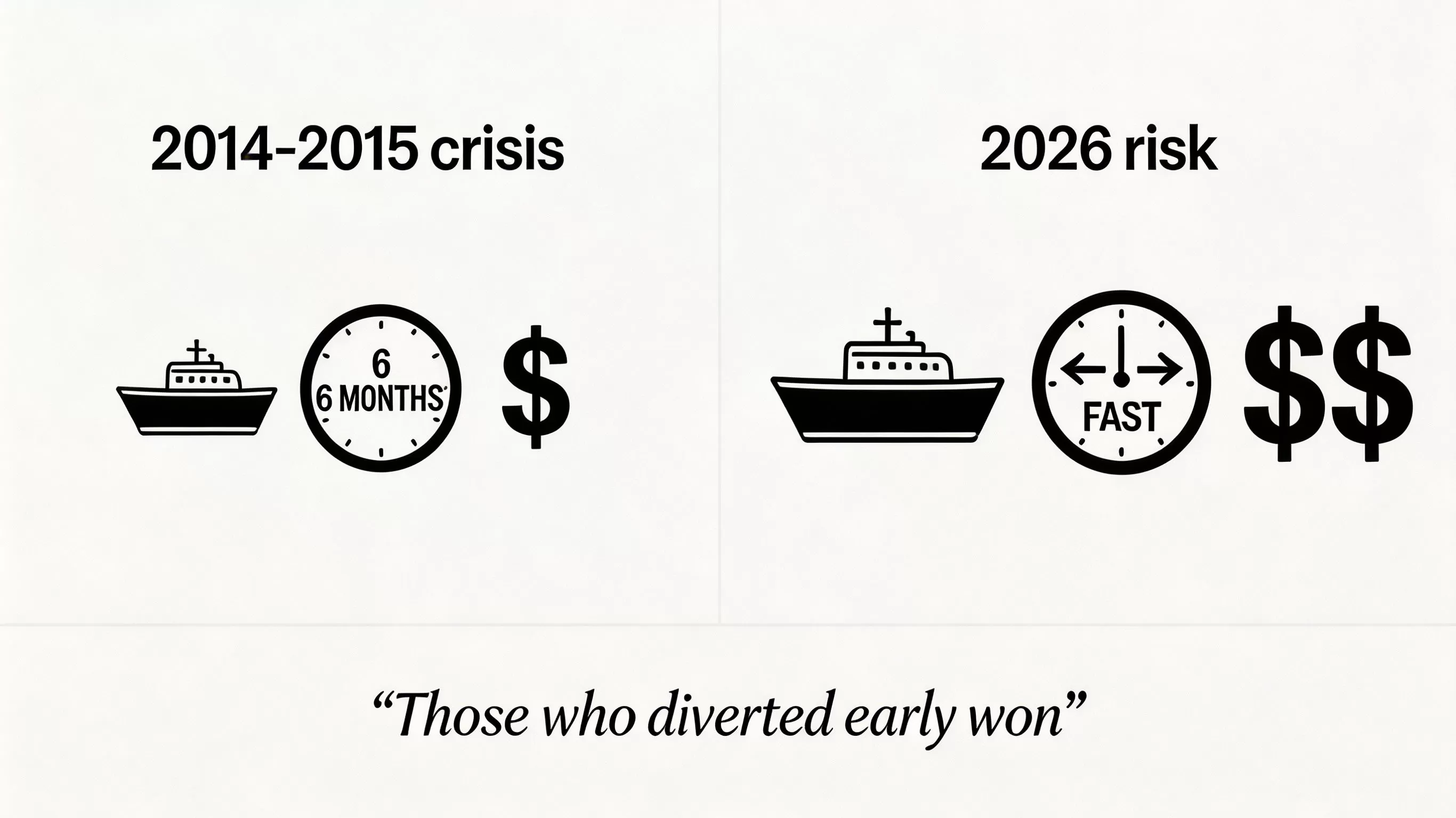
The last major breakdown occurred in 2014‑2015. After the contract expired in July 2014, talks dragged on for nine months. Work slowdowns, crane shortages, and terminal closures caused:
-
Congestion: Vessel queues of 20+ ships at Los Angeles/Long Beach.
-
Lead times: Container dwell times rose from 4 days to 11–14 days.
-
Costs: Demurrage and detention fees surged; many shippers paid millions in extra charges.
-
Cargo diversion: Permanent shifts to East Coast ports (Savannah, New York, Norfolk) increased their market share by 5–7 percentage points.
Following the 2014‑2015 crisis, many importers diversified their port strategies. However, in recent years, West Coast ports have regained share due to shorter transit times from Asia. Now, with labour uncertainty returning, the vulnerability is again exposed.
3. Current Timeline: When Could Disruption Occur?
| Date |
Event |
| Late May 2026 |
Existing contract expires |
| June 2026 |
“Cooling‑off” period; talks continue, but slowdowns may begin |
| July 2026 |
Peak season approaches; potential for work stoppages or terminal closures |
| August–September |
Highest risk window if no agreement; historically the most disruptive months |
No strike has been called yet. However, “work to rule”, overtime bans, or “sick‑outs” can slow operations without a formal strike. Shippers should not wait for a stoppage – the warning signs are already visible.
4. Potential Impacts on Your Supply Chain
If negotiations fail or drag on, the consequences include:
-
Berthing delays: Vessels waiting offshore for 1–3 weeks, increasing ocean freight lead times.
-
Container roll‑overs: Carriers may omit Los Angeles/Long Beach calls and divert to other ports, but capacity is finite.
-
Chassis shortages: Inland equipment becomes scarce when terminals are clogged.
-
Rising demurrage & detention: Storage fees accumulate while cargo sits in congested terminals.
-
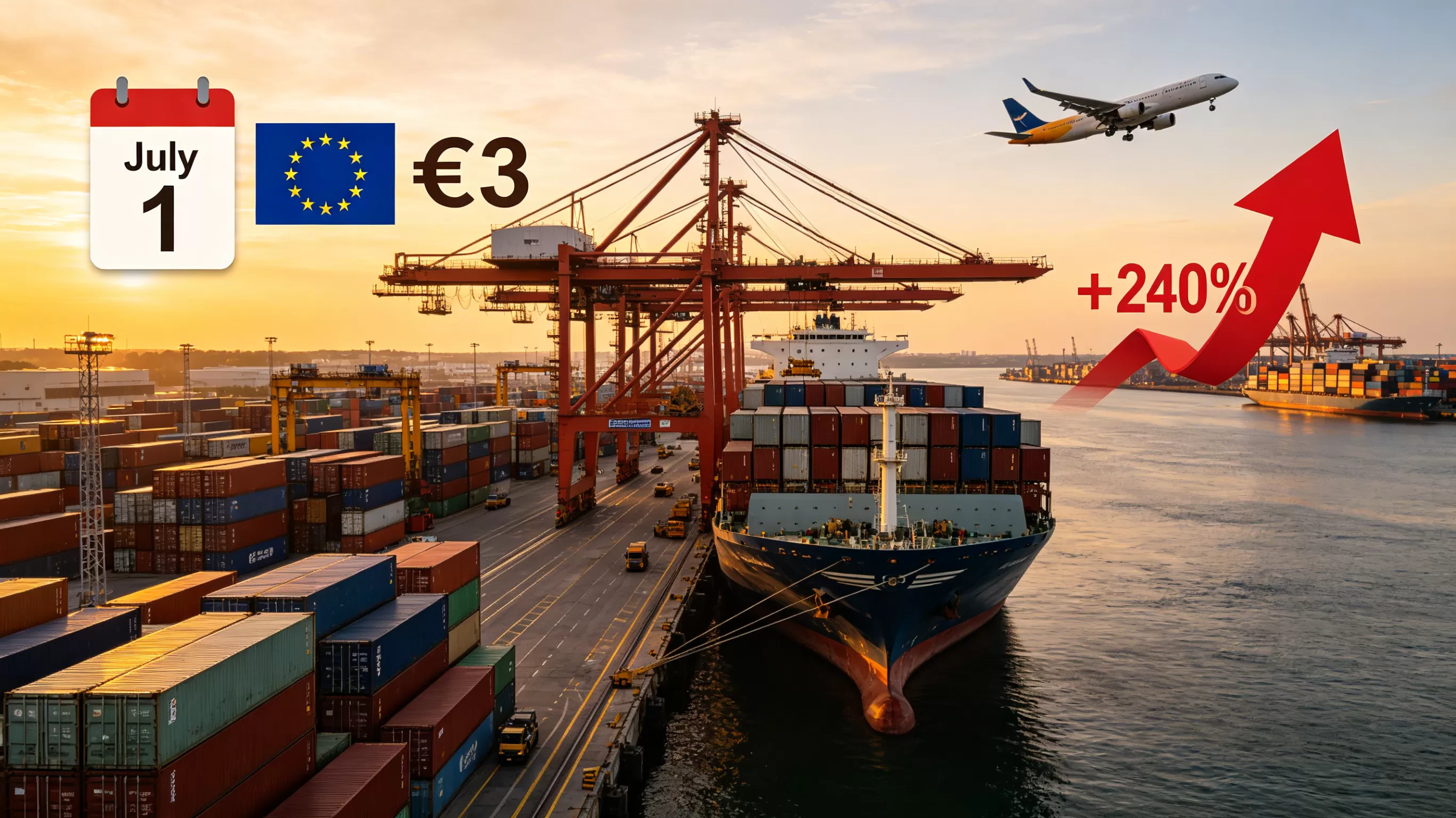
Airfreight spillover: Time‑sensitive cargo may be shifted to air, spiking rates.
Cost estimate: In 2014‑2015, the average shipper paid an extra 2,000–2,000–4,000 per container in combined detention, rerouting, and administrative costs. With today’s higher volumes, the impact could be larger.
5. Alternative Gateways: Diversification Options
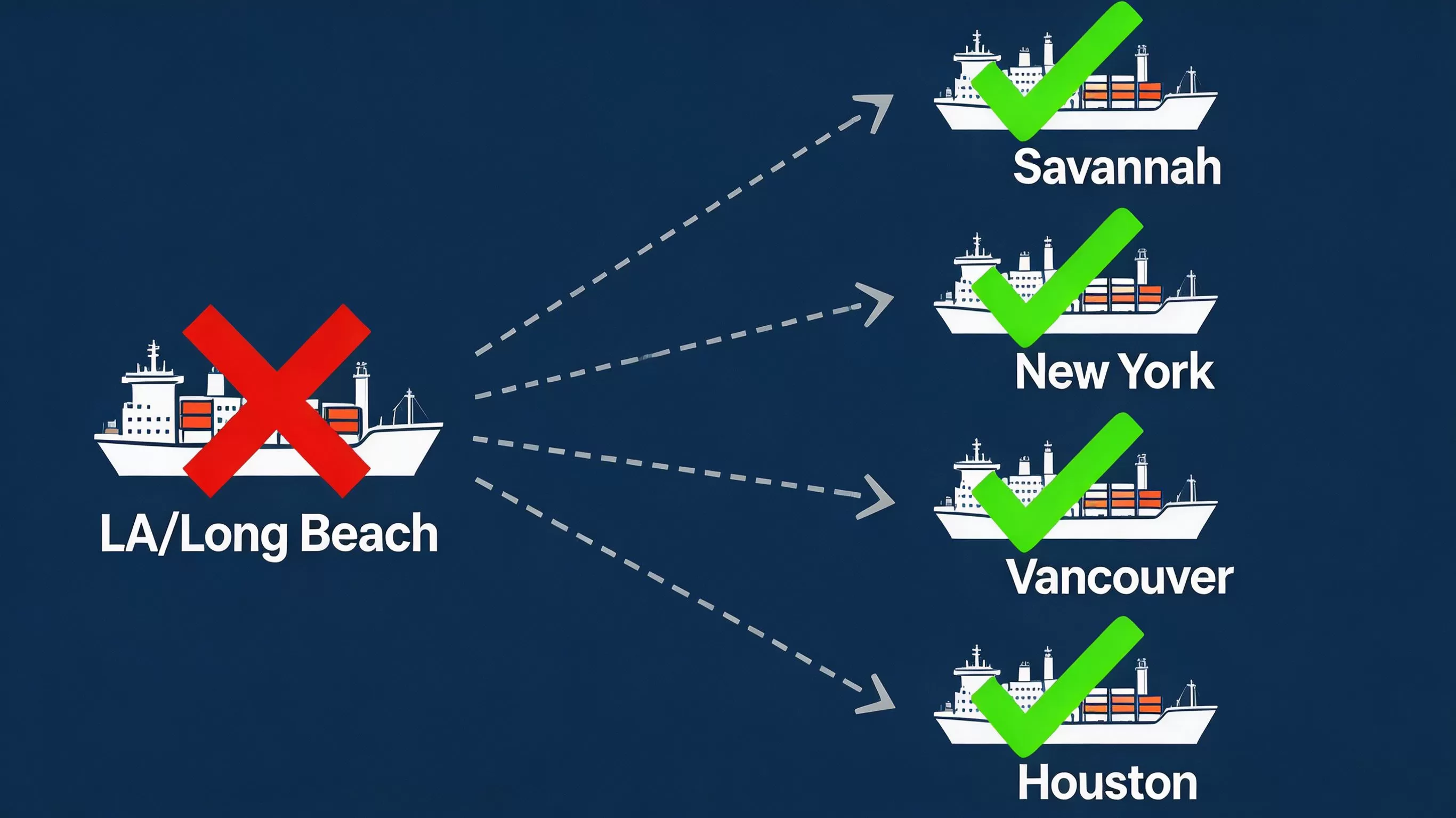
Shippers should immediately evaluate and test alternative ports.
Option A – US East Coast / Gulf Coast
| Port |
Pros |
Cons |
| Savannah, GA |
Fast‑growing, efficient, avoids Panama backups |
Longer transit from Asia (28–30 days) |
| New York/New Jersey |
Largest East Coast market, good rail links |
Congestion, higher local drayage |
| Houston, TX |
Strong for Texas and Midwest markets |
Limited space for non‑oil related cargo |
Option B – Canada’s West Coast
| Port |
Transit time from Shanghai |
Advantages |
| Vancouver |
~15 days |
Direct rail to Chicago and Midwest, less congestion than USWC |
| Prince Rupert |
~12 days |
Very efficient, but limited capacity (~1.5M TEU/year) |
Option C – Mexico’s Pacific ports
| Port |
Note |
| Manzanillo |
Growing, but cross‑border trucking to US adds cost and time. Not a full solution for most US importers. |
6. Immediate Actions for Shippers
Do not wait for a crisis. Implement these steps now:
-
Diversify at least 20–30% of your volume to an alternative port (Savannah, New York, or Vancouver). Start shipping test containers through those routes to validate lead times and drayage providers.
-
Increase safety stock for products that rely heavily on West Coast ports. Target an extra 2–3 weeks of inventory at your US warehouses.
-
Communicate with your logistics partner. Ensure your forwarder has multi‑port contracts and can reroute shipments on short notice. Glovoyce’s carrier network includes direct services to both coasts and Canada.
-
Negotiate flexible delivery terms with your US buyers. Agree on alternative ports of discharge in your contracts.
-
Monitor weekly updates from the Federal Mediation and Conciliation Service (FMCS). Set up news alerts for “ILWU” and “PMA”.
Glovoyce Perspective
US West Coast labour uncertainty is not a black‑swan event – it is a recurring cycle. The 2014‑2015 crisis taught that waiting for a deal is the riskiest strategy. Shippers who acted early diverted smoothly; those who waited paid millions.
In 2026, the stakes are higher: container volumes are larger, supply chains are leaner, and alternative ports have less spare capacity due to post‑pandemic shifts. We recommend:
-
Act now: Start testing alternative ports in June, not September.
-
Leverage data: Use real‑time visibility tools to track vessel queues and terminal dwell times.
-
Partner with an agile forwarder: Glovoyce offers rerouting, expedited customs, and last‑mile coordination for both US coasts and Canada.
Do not let labour talks decide your peak season performance. Build optionality today.